
Honey processed coffee has no honey in it. The name describes the sticky, honey-like layer of fruit pulp — the mucilage — that's left on the bean while it dries. How much of it is left, and how it's dried, is the whole story, and it produces some of the sweetest coffees we roast.
The three main ways to process coffee
A coffee bean is the seed inside a fruit — a cherry. Between picking and roasting, the pulp and skin has to come off, and there are three main ways to do it:
- Washed: all the pulp is removed, the beans are fermented in water and washed clean before drying. The cleanest, brightest cup; you taste the variety and the soil.
- Natural: the whole cherry is dried intact, fruit and all, for weeks. The sugars in the fruit move into the bean: big, winey, fruity coffees.
- Honey: the skin is removed, but some or all of the mucilage is left on while the beans dry. It sits between the other two — sweeter and rounder than washed.
Honey processing was developed in Costa Rica, partly because it uses far less water than washing, and it's become the signature of the country's micro mills.

White, yellow, red, black — what the colours mean
The colours refer to how much mucilage is left on and how the beans are dried, which together decide how far the coffee moves toward "natural" in flavour:
- White honey: almost all the mucilage removed before getting dried normally on raised beds. Closest to washed — delicate and clean, with a little extra sweetness.
- Yellow honey: some mucilage kept, then dried slowly on raised tables. Balanced — sweet, round, still bright.
- Red honey: more mucilage, dried slowly, often in partial shade. Fuller body, deeper fruit, noticeable sweetness.
- Black honey: all the mucilage kept, dried very slowly, sometimes covered. The most intense — heavy, jammy, closest to a natural.
The names aren't a strict standard — each mill has its own recipe — but the direction is consistent: the darker the honey, the fuller and fruitier the cup.

How honey coffee tastes
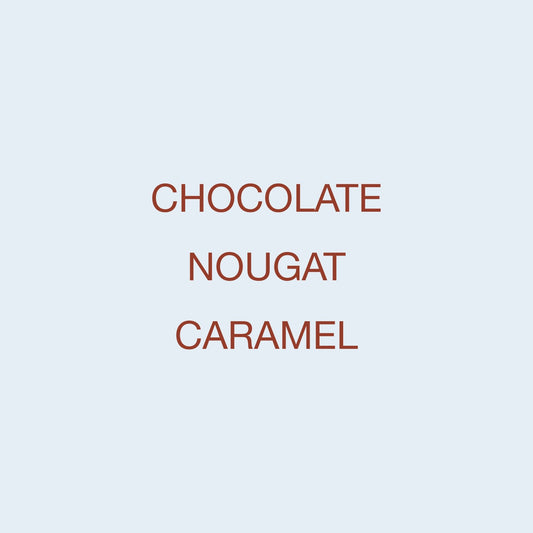
Sweetness is the common thread. A white honey Catuai we roast from La Lia in Tarrazú tastes of nougat, apple and vanilla — sweet without being heavy. Move to a red honey and you get more body and darker fruit, closer to dried berries. Honey coffees tend to be forgiving to brew and lovely as espresso, where that sweetness balances the intensity.
The honey coffees we roast
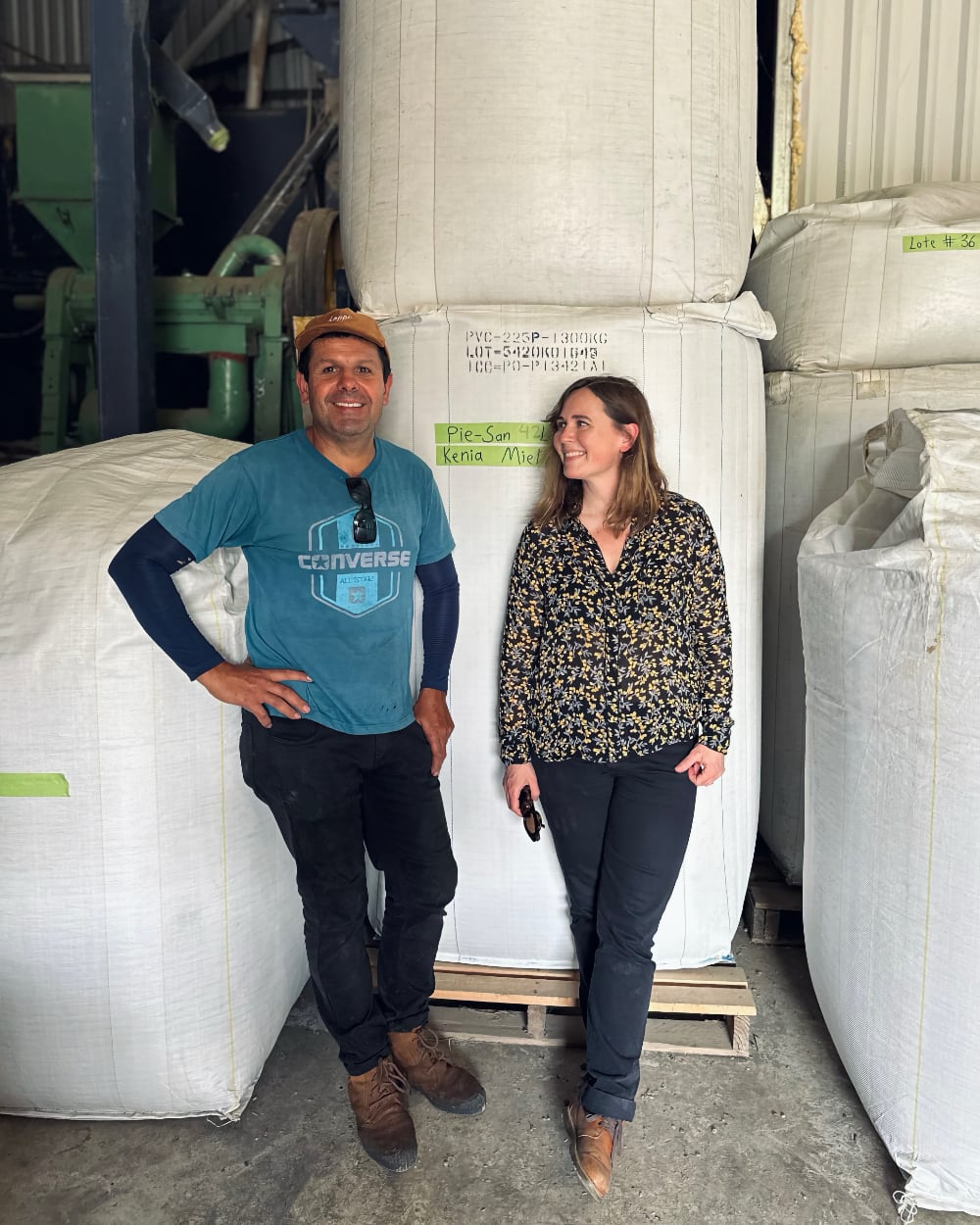
We've worked with Luis and Oscar Monge at La Lia, and with Enrique and his family at Monte Copey, for many years — two of Costa Rica's finest micro mills, both masters of honey processing. Right now in the shop:
- Costa Rica — Monte Copey "El Alto" Yellow Honey Catuai: dried fruit & berries, floral, elegant
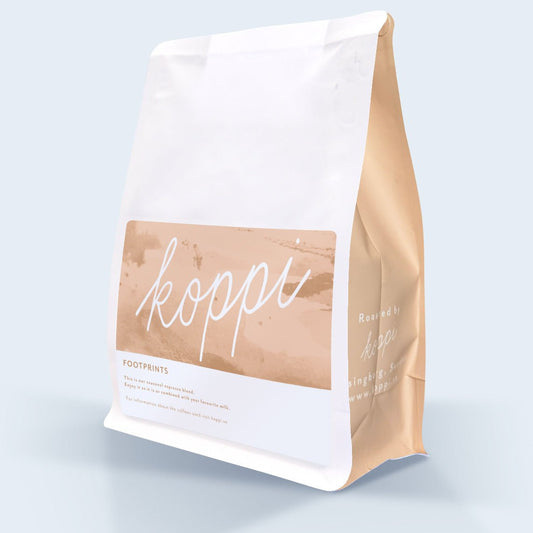
- Espresso — Footprints, our year-round blend, built on a white honey Catuai from La Lia
Is honey coffee better than washed?
Neither is better — they're different answers to the same question. Washed shows you the variety most transparently; honey shows you what careful processing can add. If you like your coffee sweet and rounded, honey is a good place to start. If you want brightness and clarity, try washed coffees next. And if you're wondering what makes any of this "specialty" in the first place, start with What is specialty coffee? →