
Specialty coffee is coffee that has been grown, processed, roasted and brewed with enough care that you can taste its origin. That's the short version. The longer version involves a scoring system, a supply chain built on relationships, traceability and a style of roasting that most supermarket coffee avoids — but it always comes back to that one idea: coffee with a traceable origin and a distinct flavour, rather than an anonymous dark blend.
The technical definition
The term has a formal meaning. Coffee is graded by trained tasters on a 100-point scale; anything scoring 80 or above is classed as "specialty." Green coffee at that level has almost no defects, comes from a known farm or cooperative, and was harvested ripe and processed carefully. Below 80 is "commercial" coffee — most of what's sold in the world.
But the score is a floor, not the point. Plenty of coffee technically clears 80 and tastes like nothing special. What makes specialty coffee worth seeking out is what the score enables: when a lot is that clean, you can roast it lightly and let the origin come through. We don't work with coffees scoring lower than 85.
Why it tastes different
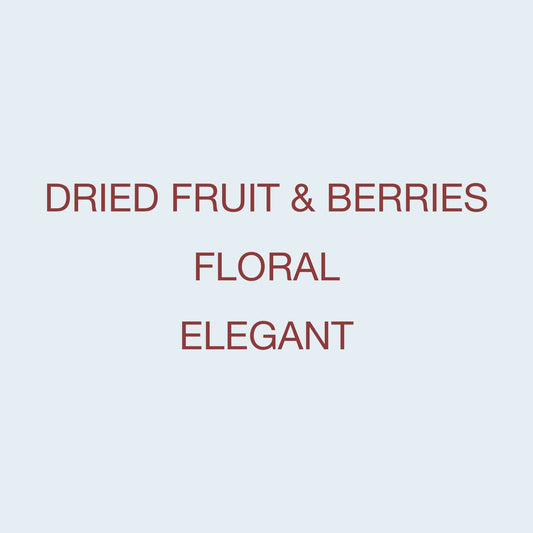
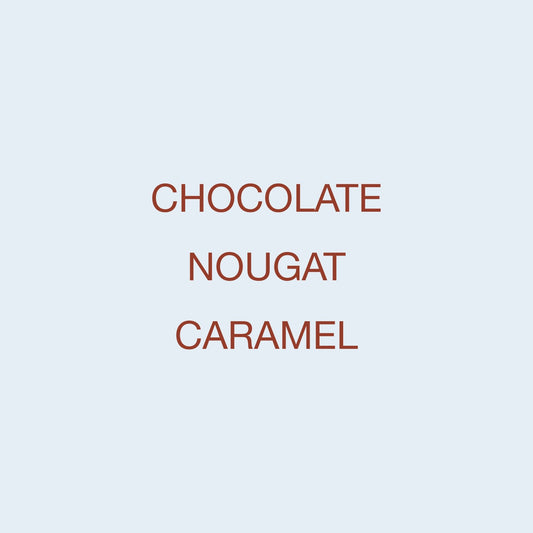
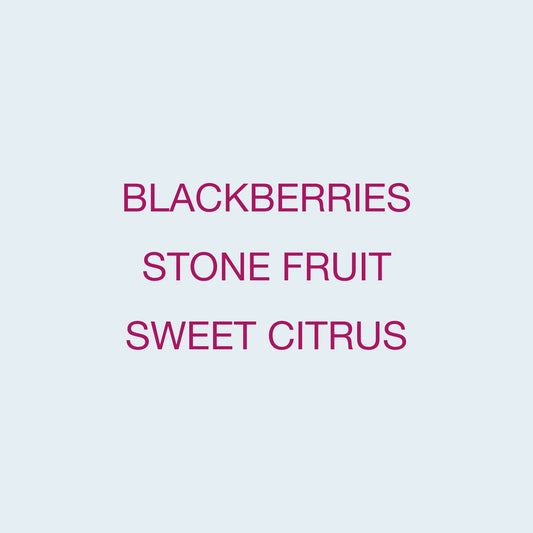
Ordinary coffee is generally roasted dark. Dark roasting is "forgiving" — it covers defects and makes every origin taste roughly the same: roasty, bitter, "coffee-flavoured." Specialty coffee is usually roasted light, which does the opposite. It exposes the coffee. A washed Kenyan can have beautiful flavour notes of blackcurrant and citrus; a honey-processed Costa Rican notes of nougat, stone fruit and baked apples; a Colombian Pink Bourbon notes of rose hips, lychee and red berries. Those aren't added flavours — they're what the bean itself carries depending on variety, altitude, soil, microclimate, processing and drying.
This is why specialty coffee most of the time is separated and sold by farm and lot, the way wine is sold by vineyard and vintage. The label tells you the producer, the region, the variety and the process, because each of those changes the flavour of the cup.
Where it comes from — and who grows it
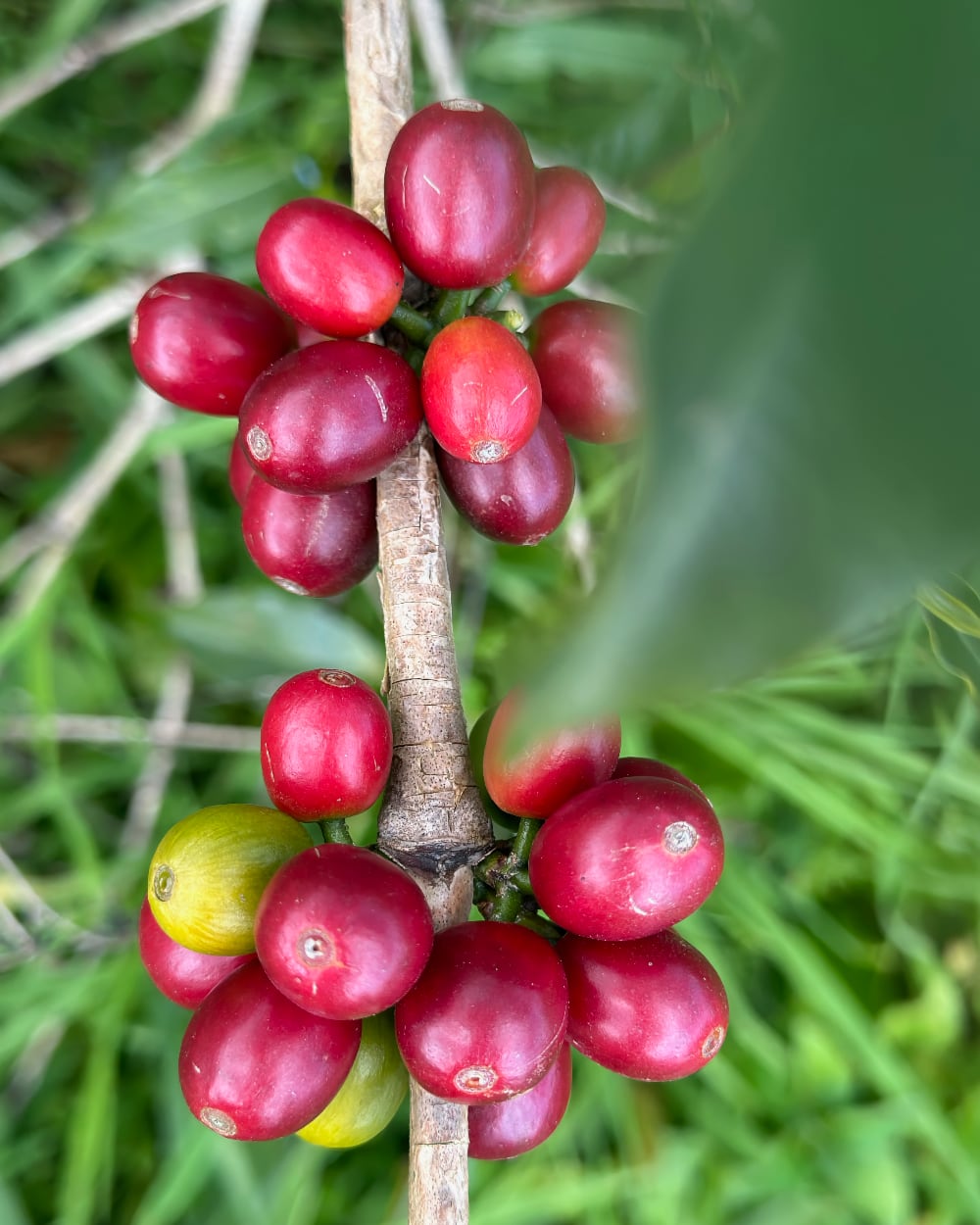
At Koppi we've bought from many of the same farms for over a decade. In Costa Rica we established our first long-term relationships in 2010 - relationships that we've cherished and kept flourishing since then. In Colombia we have been lucky to work with the same families since 2015. Finca La Fuente in Huila, Colombia, where Yaved Guarnizo and Yobani Ramos grow Pink Bourbon, Geisha and Sidra, Finca el Porvenir where Sandra Mora and Hector Coy grow Caturra, Papayo, Pink Bourbon and Geisha. La Lia, Monte Copey and Santa Rosa 1900 in Tarrazú, Costa Rica. The Karimikui Factory in Kenya, where 600 smallholder farmers deliver cherries to a single washing station. We visit, we buy full harvests, and when a coffee is extraordinary — as Karen Burbano's first Pink Bourbon lot from Finca El Placer was — we ask for it there and then at the cupping table. And we have bought her whole harvest ever since then.
That relationship is the other half of "specialty." The quality in the cup depends on the attention to detail at farmlevel and that the producer is being paid enough to pick only ripe cherries and process them carefully; a roastery that knows the producer can and want to pay for that extra work. Read about the farms we work with →
How to taste the difference
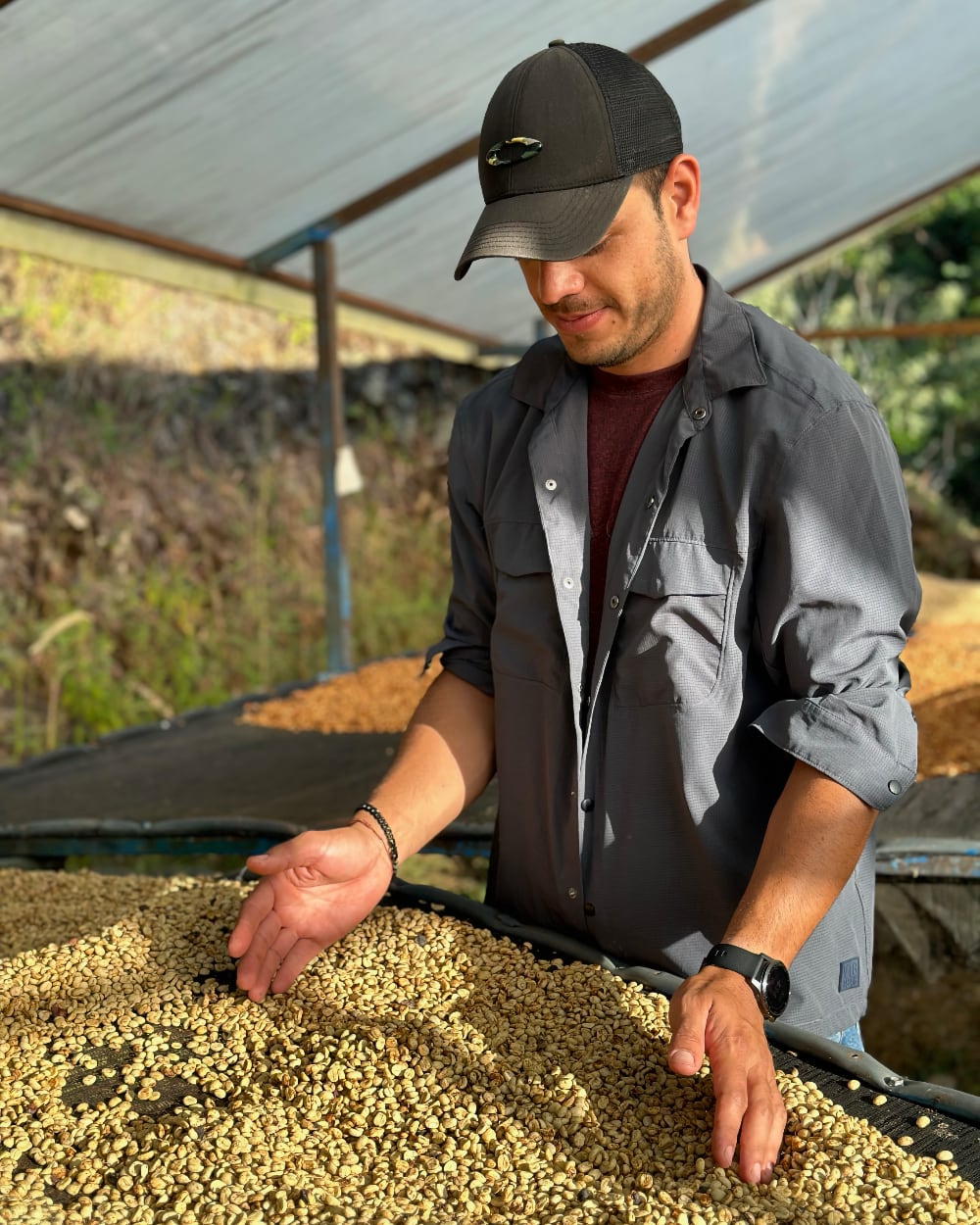
You don't need special equipment. Buy a bag of single-origin, lightly roasted coffee, grind it fresh, and brew it with your preferred brew method — a V60, an AeroPress, a French press. Then drink it without milk, at least at first. If you've only had dark-roast coffee, the first cup can be surprising: lighter-bodied, more acidic in the way fruit is acidic, sweeter as it cools. Give it three or four cups. Most people find that afterwards, ordinary coffee tastes flat and bitter.
Our brew guides walk through each method →
Specialty coffee in Sweden
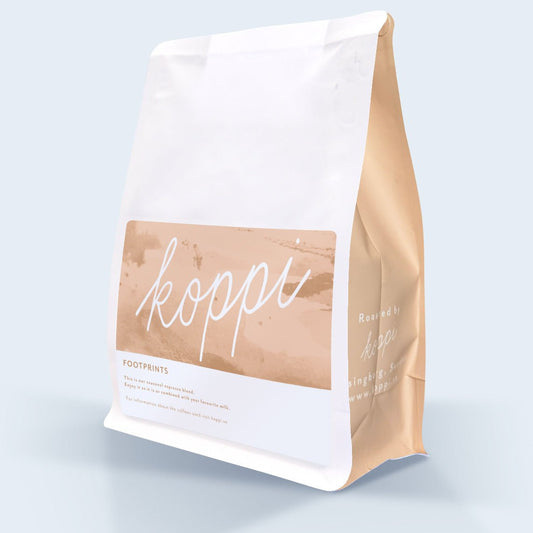
Sweden drinks more coffee per person than almost any country on earth. Most of it, though, is still dark-roasted, anonymous blends — the light-roast tradition is the exception. We've roasted specialty coffee in Helsingborg since 2007, buying from producers we know and roasting light to let each lot speak.
If you'd like to start somewhere: our filter coffees are the clearest expression of what specialty coffee is, and our espressos show it can be sweet and clean rather than bitter.