

The producers
The Monkaaba group is made up of smallholder coffee farmers around San Agustín and Ricabrisa in southern Huila, Colombia. Their farms sit at 1650–2000 metres above sea level and grow a mix of varieties: Castillo, Caturra, Pink Bourbon, San Bernardo, Papayo, Catimor and Chiroso. Each producer delivers their parchment to the group's warehouse in San Agustín, where the coffee is selected, and every producer's name stays with the coffee they deliver.
Koppi Decaf is produced by 25 members of the Monkaaba group. They are new to us: we have never had a decaf before, and this is our first.
Why a decaf?
The decaf makes room for coffees that would normally not reach the specialty market as microlots, like the varieties that otherwise go to the conventional market for quick cash. It started with the bigger producers in the group and now includes many smaller growers too. The producers are paid around 50% above the local market price, and through an advance payment program they can get 30–50% of the payment while the coffee is still on the tree, without it depending on cup scores or a contract.
How is the coffee decaffeinated?
After milling, the coffee is decaffeinated at Descafecol in Manizales with the sugarcane process. The green coffee is first steamed to remove the silver skin and moistened to open up the beans. It is then soaked in ethyl acetate, a natural compound made from fermented sugarcane, which draws the caffeine out of the beans. A final steaming removes the ethyl acetate, and the coffee is dried back to below 12% moisture. At least 97% of the caffeine is removed, but the sweetness stays. If anything, the process brings out even more of it, along with a hint of fruit.
The coffee: Koppi Decaf. More about how coffee is processed: coffee processing methods →


In the shop right now
-
Koppi Decaf - Sugarcane Process 250g
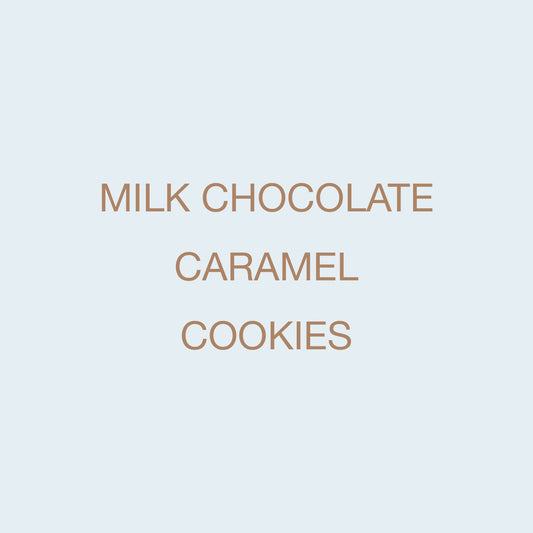
Vendor:Milk Chocolate, Caramel, CookiesRegular price €22,00 EURRegular priceUnit price per