

Cherry-rested coffee is coffee that's been left to rest as whole, unpulped fruit for a period after picking, before the normal processing begins. It's a short, controlled resting — and done well it adds sweetness, body and a layer of ripe fruit to a coffee without losing the clarity of a washed cup. You'll see "cherry rested" on several of our bags; this is what it means.
Where it sits among the processes
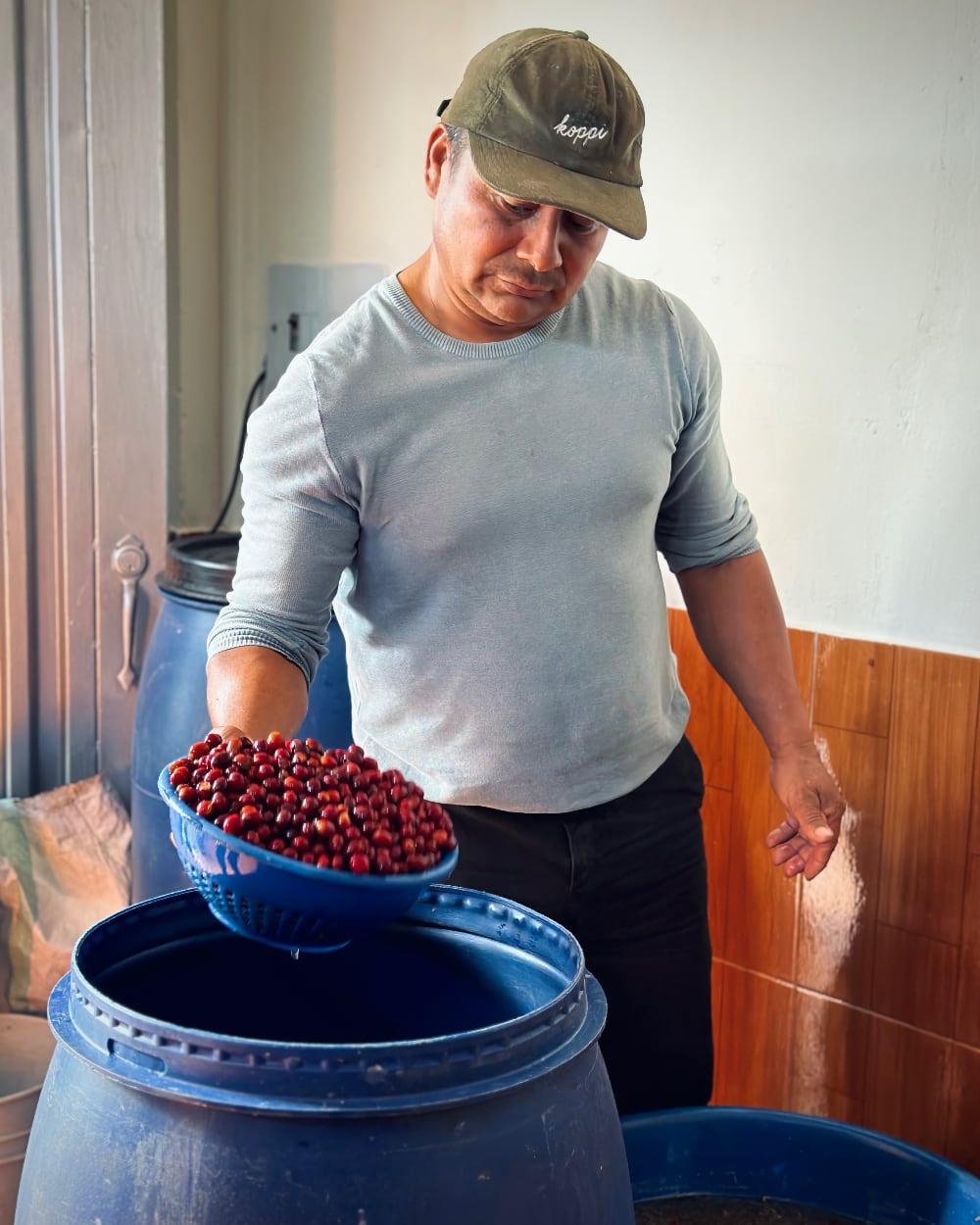
Most coffee is processed within hours of picking: the pulp is removed and the coffee is left to ferment before being rinsed in clean water (washed), or the whole cherry is dried for weeks (natural), or something in between (honey). Cherry-resting adds a step before any of that. The picked cherries are stored — in bags, tanks or covered piles, usually for one to several days, in the shade and often at cool temperatures — and after the resting it is pulped and processed, most often as a washed coffee.
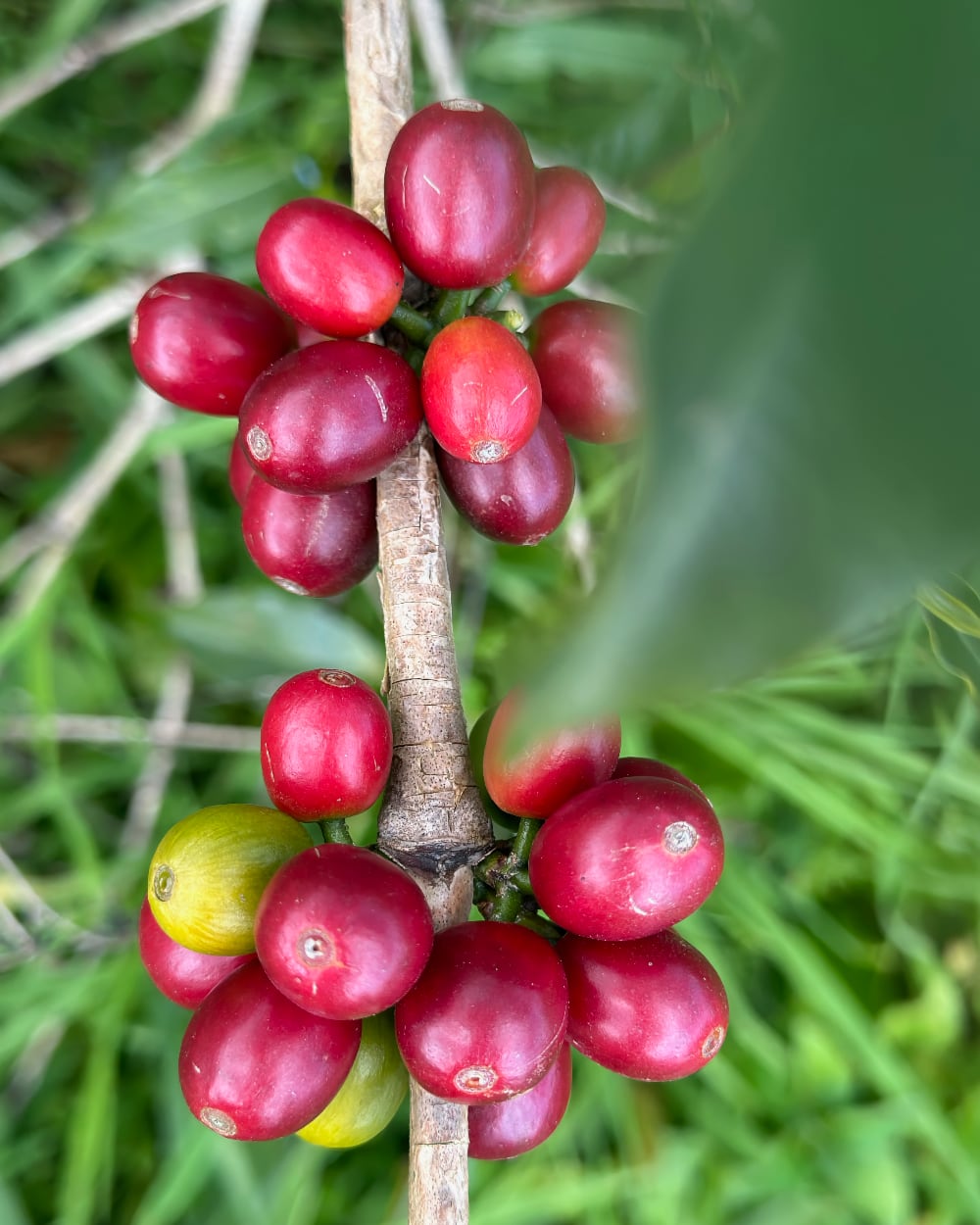
During the resting period the fruit is still alive. Sugars in the pulp continue to develop and begin to migrate into the seed, and a gentle, slow fermentation starts inside the intact cherry. Because the skin is still on, it's far more controlled than a natural process — the farmer decides exactly how long it goes.
How it tastes
Think of it as turning up the volume on the coffee without changing the song. A cherry-rested washed coffee keeps the clean flavours and structure of a washed lot, but with more sweetness, a rounder body and riper, sometimes tropical fruit. Our cherry-rested Sidra from Finca La Fuente — lychee, white peach, jasmine, with a creamy mouthfeel — is a good example: it tastes like the variety, intensified. Overdo the rest and you get boozy, over-fermented flavours; the skill is in stopping at the right moment.
Who does it — and why we buy it
Cherry-resting is something we've come to associate with the farms we work with in Huila, Colombia — above all Finca La Fuente, where Yaved Guarnizo and Yobani Ramos apply it to their Geisha and their Sidra, and Monte Copey and La Lia in Costa Rica, whose cherry-rested lots have been favourites for years. It's a technique of careful producers: it only works with perfectly ripe, hand-sorted cherries, which is exactly the kind of picking our partners do anyway.
Currently in the shop: look for "cherry rested" in the name on our filter coffees — the lots rotate with the harvest.
Cherry-rested vs. natural vs. anaerobic — a quick guide
- Cherry-rested: whole fruit rests briefly, then is processed (usually washed). Adds sweetness and depth while staying clean.
- Natural: whole fruit dries for weeks. Big, winey, fruity — the fruit dominates.
- Anaerobic: fermented in sealed tanks without oxygen. Can be intense and unusual (boozy, spicy, candy-like).
Of the three, cherry-rested is the subtlest — which is why we like it. It lets the farm and the variety stay the point. If you want to understand why that matters, start with What is specialty coffee? →